
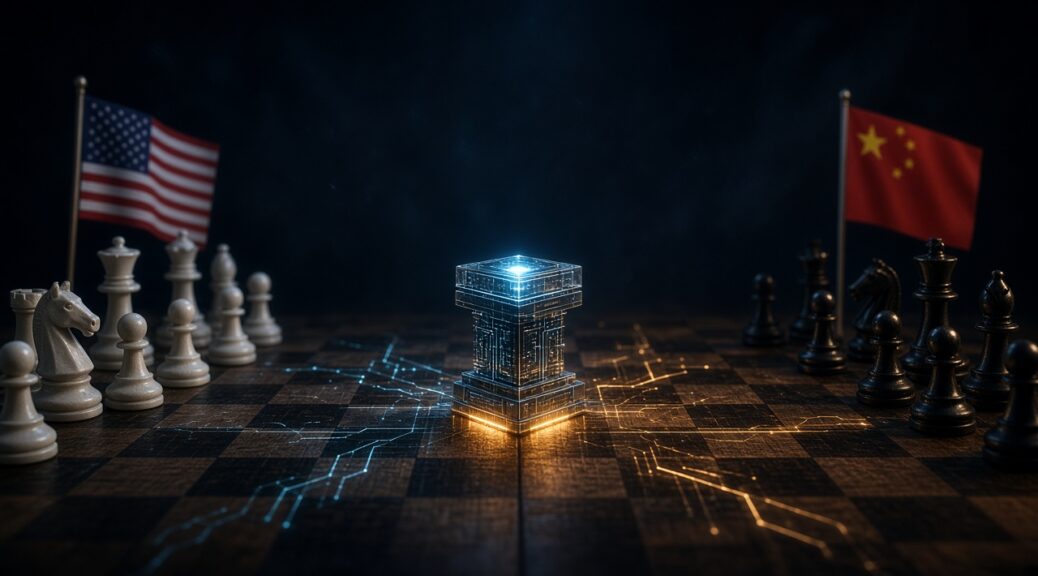
Friday’s headlines were full of the Jensen Huang fallout. The core revelation, though, landed a few days earlier: that the Nvidia CEO had allegedly had an affair with a woman U.S. officials suspect of being a Chinese intelligence asset.
Two things jump out. First, the timing. The affair story broke into the open days after the November 3 midterms handed Democrats control of Congress, and less than two weeks before President Trump sits down with President Xi at the APEC summit in Shenzhen on November 19. The first reports that U.S. intelligence was watching the woman, Alice Huang, a former executive at the Singapore firm Megaspeed, actually appeared just before the election. So why did the full story land right after Congress changed hands and right before the biggest China meeting of the year? Second, someone put this in the newspapers, sourced to unnamed intelligence officials. Was it leaked from inside the White House? From the intelligence community? From somewhere else? Who benefits from Nvidia losing its founder, and from Trump walking into that summit with a spy scandal hanging over him? Those are fair questions, and I have not seen a straight answer.

Let’s stick to what we can actually say. On November 8, Jensen emailed Nvidia employees and admitted he had been unfaithful to his wife. He did not name the other person. News reports identified her as Alice Huang and said U.S. intelligence believes she was recruited by China’s Ministry of State Security to get close to him. She and China deny that, and the Justice Department said last week it has reached no conclusion on whether she is a spy. Later in the week, news organizations reported as many as two additional relationships. Jensen has not publicly confirmed those reports.
Now the Justice Department is examining the espionage allegations and whether restricted chips were diverted to China. Congressional committees have called Jensen and Commerce Secretary Howard Lutnick to testify. Nvidia’s board opened an independent investigation, and on Thursday, November 12, Jensen resigned as president, CEO, and a director of the company he built.
One focus of the investigations is whether high-end Nvidia chips reached China through third parties in places like Singapore. Megaspeed, a cloud company that became a huge Nvidia customer, has been under U.S. and Singapore scrutiny over alleged diversion. Those allegations are unproven, and Megaspeed denies any wrongdoing.
What made this public at this precise time? We apparently have two factions in the Trump administration that disagree over commerce and how tight the limits on China should be. That is not a hunch. On Friday, Treasury Secretary Scott Bessent said Treasury, the Pentagon, the State Department, and the U.S. Trade Representative had favored putting Megaspeed on the entity list for months, “but Commerce has the pen.”
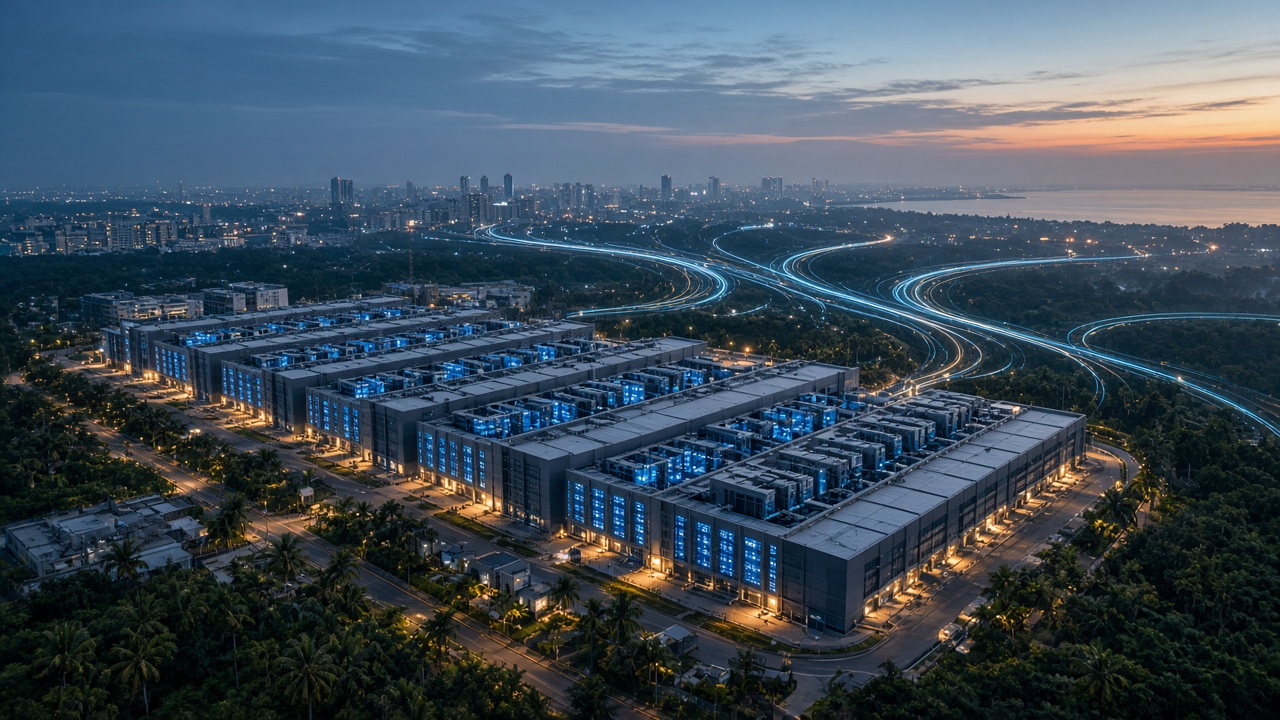
Should high-end chips be sold to China? Official policy is no. Chips that are not Nvidia’s most advanced, like the H200, have been cleared for licensed sale to approved Chinese customers. But the most advanced chips have been sold to data centers all over Asia, outside China, and that has also been this administration’s policy.
So where does the fault lie when Chinese companies rent capacity in those overseas data centers and use the latest Nvidia chips they can’t buy directly? Squarely with this administration.
Jensen Huang is the visionary and founder of the Nvidia mega-company. There is no one else with that vision, that commitment, and that ability who is not already a founder and world-shaker in their own right. (That would be Elon Musk.)
If Jensen Huang remains outside Nvidia, the company built from 1993 to the present will flounder and slow. The momentum, the drive for the next breakthrough, and the guts to put real money on the line to get it built will give way to a safe alternative: a Tim Cook-style beancounter CEO living off the products and innovations the founder created. There can still be improvements to existing products, but no real change in direction and no reach for the stars.
Was this takedown of Nvidia’s founder orchestrated, and if so, by whom? That is what I want to know!
— Thomas Davis


